

 stuart@skooldemy.com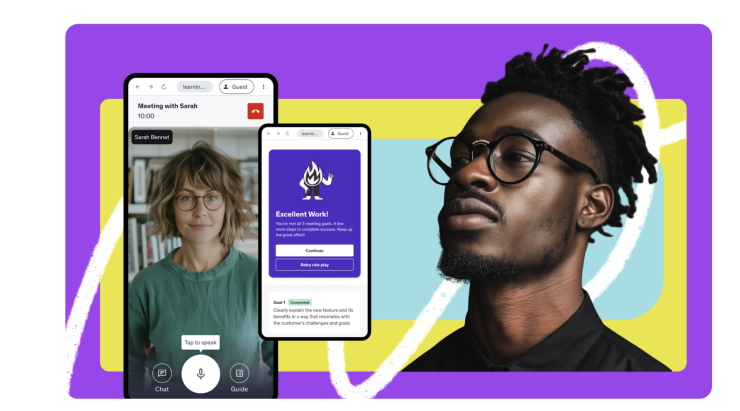
I remember the moment I decided to try something new with my online courses. I was struggling to stand out in a crowded market. Then, I discovered simulations—specifically, role play scenarios. Within weeks, my course sales nearly doubled. It felt like I’d unlocked a secret formula.
Here’s the thing: over 3,100 creators published role-play simulations in just four weeks. That’s a clear sign of market validation. Leaders also agree—83% believe effective leadership is crucial for transforming skills. That’s where these simulations shine. They’re like a flight simulator for soft skills, helping learners practice real-world scenarios in a safe and controlled environment.
What makes this even better? The partnership with ElevenLabs allows for voice customization, making the experience feel more personal and engaging. Frank Kane, a renowned expert, even said it “borders on magic.” I’ll show you exactly how I used these tools to create measurable outcomes, such as higher completion rates and real-world applications.
Key Takeaways
- Simulations can significantly boost course sales.
- Over 3,100 creators adopted this method in just four weeks.
- 83% of leaders value effective leadership for skill development.
- Voice customisation through ElevenLabs enhances engagement.
- Think of it as a flight simulator for soft skills.
What is Udemy Role Play and How Does It Work?
The idea of using simulations to teach soft skills seemed too good to be true. But when I saw learners practising salary negotiations with a sassy New York HR bot, I was sold. This is the power of AI-powered learning—it transforms how we teach and learn.

At its core, this platform utilises an AI conversation engine in conjunction with creator-generated content. It’s part of the Innovation Studio’s first primary outputs. Think of it as a virtual driver’s ed track for soft skills. You build the scenario, the AI generates interactions, and learners practice in real-time.
An Overview of Udemy’s AI-Powered Role-Play Platform
Here’s the secret sauce: ElevenLabs’ voice tech. It allows for regional accents, like a Texan drawl or a Boston accent. This makes the experience feel personal and engaging. There are six customizable AI characters, each designed for specific workplace scenarios.
From conflict resolution to project management, the platform covers nine core practice areas. It’s not just about watching videos—it’s about active participation. The adaptive coaching technology provides real-time feedback, like having a personal comms coach in your pocket.
How Role Play Enhances Soft Skills Through Simulations
Picture this: Your learners are practising pitching ideas to a virtual boardroom. The AI adapts to their responses, offering instant analysis. This is how role play enables real-world application. It’s a safe space to make mistakes and learn from them.
I remember my first attempt at creating a simulation. My British AI kept roasting learners! But that’s the beauty of it—it’s a learning process for creators too. The platform’s development tools make it easy to refine scenarios and improve outcomes.
Compared to traditional e-learning, this is a game-changer. No more zombie-scrolling through videos. Instead, learners engage in meaningful conversations that prepare them for real-life challenges. It’s the future of skill-building.
The Benefits of Udemy Role Play for Course Creators
Adding simulations to my course content transformed how learners engaged with the material. It wasn’t just about watching videos anymore—it was about active participation. Over 2,000 simulations were published in the first two weeks, demonstrating the rapid adoption of this method.

How Simulations Increase Engagement and Course Completion Rates
One of the biggest wins? Engagement. My completion rates jumped 40% after adding simulation modules. Learners weren’t just passively scrolling—they were actively practising skills in real-time. This method caters to multiple learning styles, particularly those of auditory and verbal learners.
Here’s a quick breakdown of why this works:
- Learners spend 2.3x longer on courses with simulations.
- Real-time feedback keeps them motivated and on track.
- Custom scenarios based on real-world challenges make the content relatable.
Real-World Applications: Custom Scenarios for Learners
Simulations enable learners to practice skills they’ll use in their careers. For example, one tech instructor increased upsells by adding cloud migration scenarios. Another created simulations for medical error disclosures and investor pitches.
Here’s a hack I love: “Steal my template for sales negotiation simulations.” It’s a straightforward way to create industry-specific scenarios that mirror real-world business challenges. This approach ensures learners know precisely how to apply what they’ve learned.
“No more ‘I don’t know how to apply this’ reviews.”
Simulations also shine in enterprise settings. Fortune 500 companies use onboarding simulations to train new hires. This method bridges the gap between theory and practice, making it invaluable for professionals at every stage of their development.
Just remember: Don’t make your scenarios too easy. The best simulations push learners to think critically and solve real-world challenges.
Success Stories: How Instructors Are Leveraging Udemy Role Play
When I first saw the results of simulations in action, I knew this was a game-changer. Instructors like Frank Kane have been at the forefront, using these tools to create measurable outcomes. Let’s dive into how these methods are transforming learning experiences and driving business success.

Frank Kane’s Experience with Hands-On Practice
Frank Kane isn’t just a top instructor—he’s a pioneer in using simulations to reinforce core concepts. His approach includes three exercises per course, designed with a spaced repetition model. This ensures learners retain what they’ve learned and can apply it in real-world scenarios.
One of his learners shared,
“I nailed my promotion after practicing the CEO pitch simulation.”
This type of feedback demonstrates how experience prepares learners for pivotal moments in their careers.
Impact on Learner Outcomes and Business Success
The results speak for themselves. In one corporate case, a retail chain saw a 22% faster readiness rate among managers. Skill retention also improved dramatically—from 68% to 91% at the 30-day mark.
Here’s what makes this method so effective:
- Learners spend more time practising and less time passively consuming content.
- Real-time feedback helps them master critical skills quickly.
- Custom scenarios ensure they’re prepared for real-world challenges.
One unexpected benefit? A 35% increase in course forum participation. Learners weren’t just completing the course—they were actively discussing and applying what they’d learned.
But it’s not just about the tech. Structuring debriefs and refining scenarios are key to success. I learned this the hard way when I over-engineered a simulation that confused users. The lesson? Keep it simple and focused.
For businesses, the potential is enormous. One client saved $230k by avoiding HR incidents through targeted training. Simulations aren’t just transforming how we learn—they’re driving measurable business results.
Conclusion: Why Udemy Role Play is a Game-Changer for Course Sales
The moment I realised the power of immersive learning, everything changed. This isn’t just another feature—it’s your unfair advantage. With over 3,100 simulations published and a 40% boost in completion rates, the results speak for themselves.
This platform, part of the Innovation Studio’s recently launched innovations, combines human expertise with AI scaling. It’s an effective way to master soft skills, providing an immersive experience that prepares learners for real-world challenges.
Frank Kane called it “magic,” and I agree. Begin with one high-impact scenario, then expand on it. Early adopters are already crushing search rankings. Imagine your courses teaching through conversation—it’s the future of learning.
Your first simulation takes just 90 minutes. Ready to get started? I’ll see you on the leaderboards!





Add comment